
Struggling to choose the right crash cart? A small, overlooked detail could create a major problem during an emergency. You need to know what truly matters beyond the price tag.
When purchasing a medical crash cart, you must pay special attention to the power plug standard if it includes a power strip. Also, check the lock mechanism, caster stability, and drawer smoothness. These details ensure the cart is safe, reliable, and ready for immediate use in emergencies.
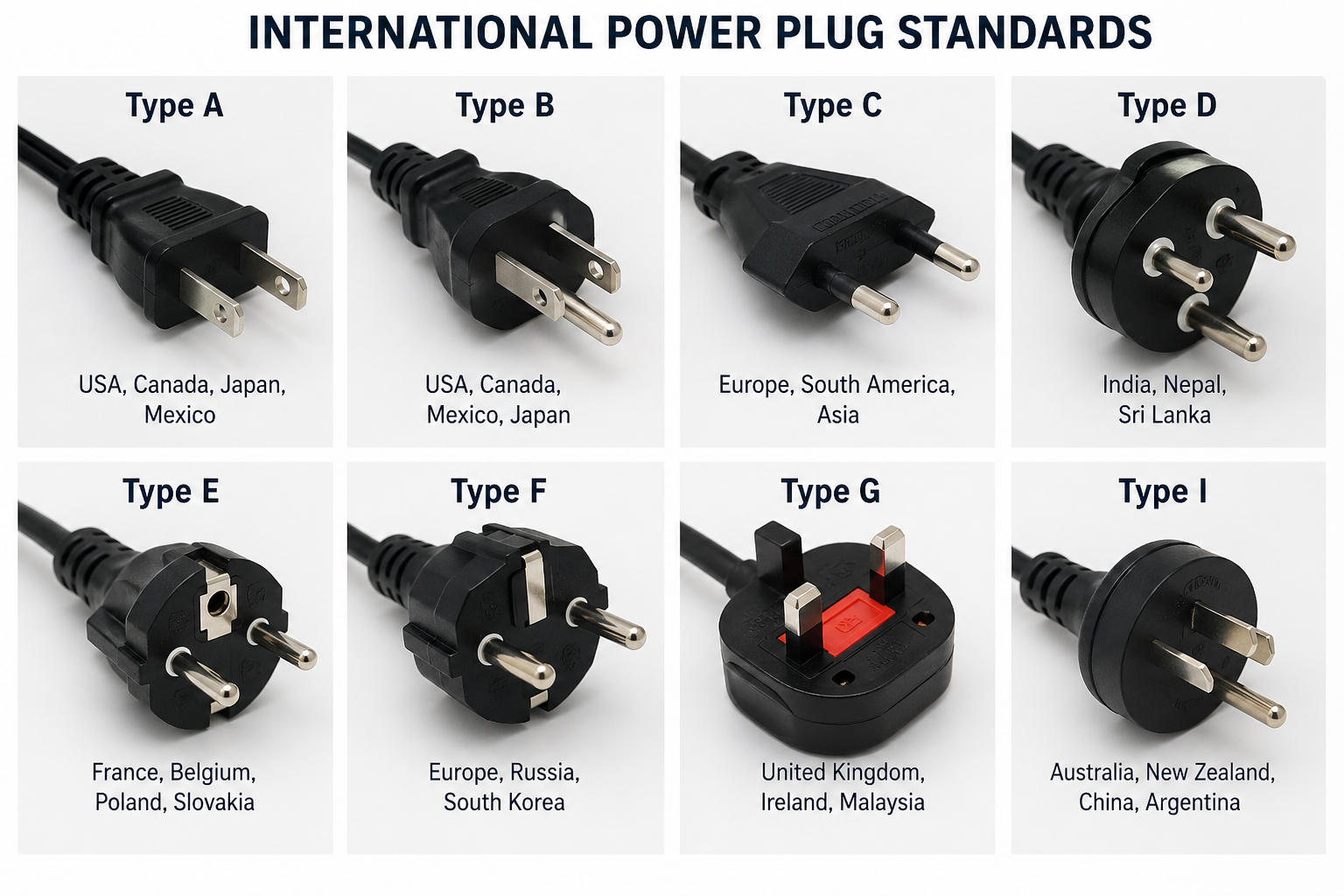
I've handled many crash cart export projects over the years. I've learned that the most successful procurement managers focus on how the cart will perform in a real, high-stress situation. They look past the basic spec sheet. The conversation needs to move from just comparing features to judging real-world reliability. Let's walk through the critical details that are often missed but can make all the difference. This will help you avoid common pitfalls and select a cart that is truly dependable.
Why Is the Power Plug Standard So Critical for an Exported Crash Cart?
Your new crash cart arrives, ready for deployment. But the power plug doesn't match your hospital's outlets. Now you face delays and frustration, all from one small oversight.
The power plug standard is critical because a mismatch prevents immediate use of onboard electronics. Using adapters on mobile medical equipment is risky. It can lead to power loss during transport. A correct, native plug ensures stable and reliable power, which is essential in any emergency.
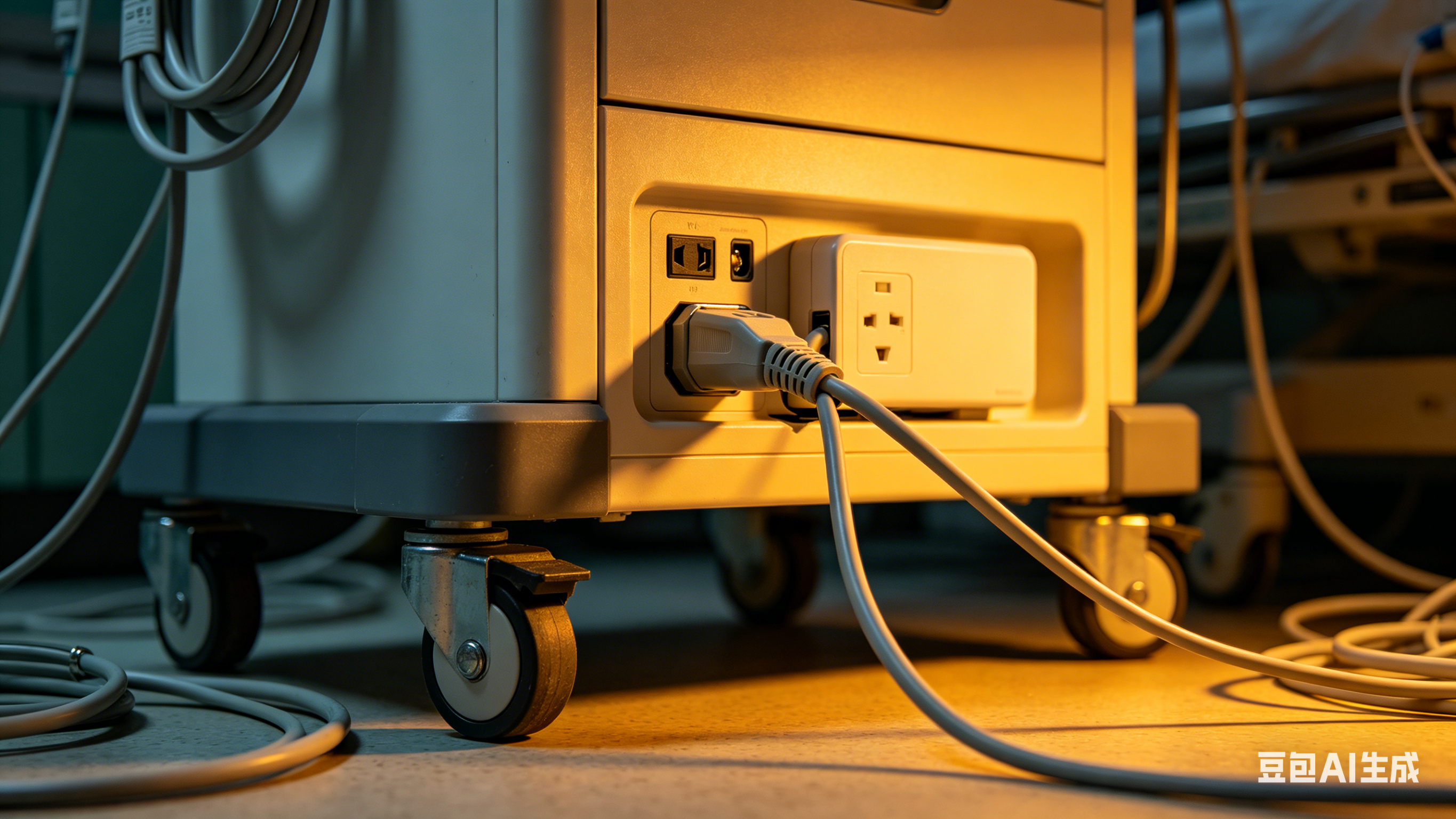
In my experience with international orders, the power plug standard is one of the most frequently underestimated details. Many buyers focus on the number of drawers, the material, and the price. These are important, of course. But if the cart comes with a power strip for monitors or other devices, the plug type becomes a critical safety feature. We always ask our clients, "What is the destination country for this cart?" This question isn't just about shipping logistics; it's about ensuring the equipment works safely right out of the box. A cart that can't be plugged in is just a set of drawers on wheels.
The Hidden Risk of Power Mismatches
The core issue isn't just inconvenience. It's about maintaining a stable power supply for critical equipment during an emergency. From a supplier's perspective, providing a cart with the wrong plug is a failure in due diligence. We have seen projects delayed because this one detail was not confirmed beforehand. You should always specify the required standard during the procurement process.
Here is a simple way to think about it:
| Region/Country | Example Plug Type | Action Required by Buyer |
|---|---|---|
| European Union | Type F (Schuko) | Specify "EU standard plug" during order. |
| United Kingdom | Type G | Specify "UK standard plug" during order. |
| North America | Type B | Specify "North American standard plug" during order. |
| Australia/NZ | Type I | Specify "Australian standard plug" during order. |
This table is just an example. The key is to actively confirm the standard for your specific market. Don't assume a "universal" option exists. Always verify.
Are Power Adapters a Safe Solution for Medical Crash Carts?
You have a plug mismatch. You think a simple travel adapter will solve the problem quickly and cheaply. But this temporary fix could introduce a serious point of failure.
No, power adapters are not a safe long-term solution for crash carts. They create an unstable connection point that can easily loosen or fail when the cart is moved. This introduces risks of power interruption, overheating, and electrical contact issues, which are unacceptable in medical settings.
I often get asked if a simple adapter can bridge the gap. While it might seem like a practical fix, it's a solution I strongly advise against for medical equipment, especially a crash cart. A crash cart is, by its nature, a mobile unit. It gets pushed quickly down hallways and maneuvered around tight corners. This movement puts physical stress on the plug and socket connection. An adapter adds another mechanical link in that chain, one that is often not designed for such stress or for the power demands of medical devices.
Reliability vs. Temporary Compatibility
The goal in a medical environment is not temporary compatibility; it is unwavering reliability. Adapters are built for convenience, not for the critical demands of healthcare. A loose connection could mean a defibrillator or patient monitor loses power at the worst possible moment. The heat generated by a poor connection in a low-quality adapter is also a fire risk. The most professional approach is to ensure the equipment is built correctly from the start. When you are discussing the configuration with your supplier, make the power plug standard a mandatory checklist item. It is far better to wait a little longer for a cart with the correct, factory-installed plug than to rely on a workaround that compromises patient safety.
What Other Hidden Details Affect a Crash Cart's Real-World Performance?
The cart's specifications look perfect on paper. But in a real emergency, the wheels lock up, a drawer jams, or the whole unit feels unstable when pushed. The spec sheet didn't warn you about this.
Beyond the power plug, you must check the central lock mechanism, caster quality, and drawer slide smoothness. A reliable lock ensures security, high-quality casters provide smooth mobility and braking, and smooth drawers give quick, easy access to supplies without fail.
A truly great crash cart is more than the sum of its parts. Its value is proven when it performs flawlessly under pressure. After you've sorted out the power plug, the next step is to examine the cart's mechanical integrity. Think about how the cart will be used. A nurse will be rushing down a corridor, needing to stop abruptly and immediately access supplies. Every component has to work perfectly. I've seen carts with flimsy locks that break easily, and carts with cheap casters that make steering difficult and noisy. These are not minor inconveniences; they are obstacles in an emergency workflow.
From Spec Sheet to Emergency Scene
To help you assess these "hidden" features, I've broken down what to look for. These are the details that separate a basic cart from a professional-grade medical tool. When talking to suppliers, ask specific questions about these components.
| Feature | Why It Matters in an Emergency | What to Look For |
|---|---|---|
| Central Lock | Secures all drawers with one key turn, saving precious seconds. | A sturdy, single-turn lock mechanism. Avoid flimsy plastic parts. |
| Casters | Allows smooth, quiet, and controlled movement. | Medical-grade, non-marking casters. Two with easy-to-use brakes. |
| Center of Gravity | A stable cart won't tip over when moved quickly or cornered. | A low center of gravity. Test the cart's stability by pushing it. |
| Drawer Slides | Ensures drawers open fully and smoothly without jamming. | Full-extension, ball-bearing slides for effortless access to contents. |
| Accessory Mounts | Keeps vital equipment like defibrillators and IV poles secure. | Strong, well-designed mounting points that don't wobble or loosen. |
Thinking through these points will shift your focus from "what features does it have?" to "how will this perform when it matters most?"
Conclusion
Purchasing a crash cart requires looking beyond the spec sheet. Focus on real-world reliability, starting with the power plug standard and extending to the cart's mechanical stability and ease of use.